GalvStruct Metal Building Installation Surfaces
GalvStruct metal buildings can be installed on dirt, gravel, asphalt or concrete depending on the structure and site conditions. Proper site preparation, leveling and anchoring are important for a safe, secure installation.
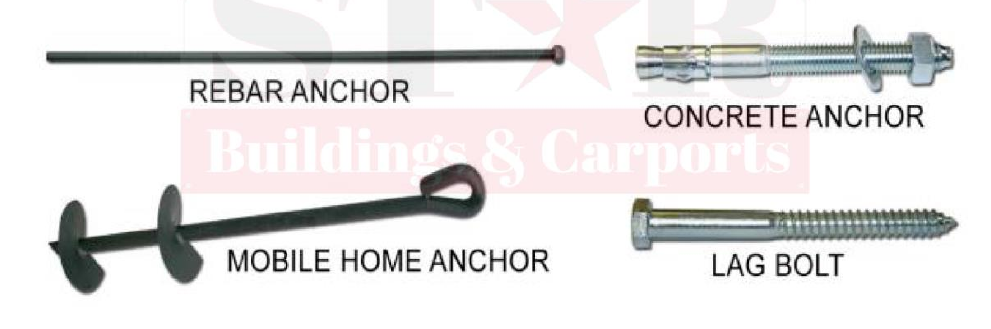
Knowing the surface your building will be installed on is important, as anchoring requirements vary by surface type. Different surfaces require different anchoring methods and are priced accordingly. Common installation surfaces include dirt (ground), well-packed gravel, concrete, and asphalt.
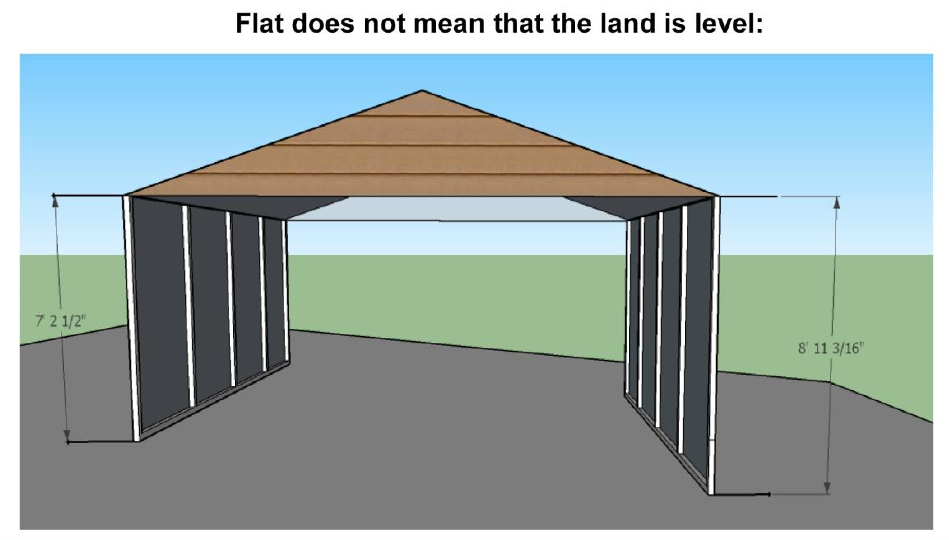
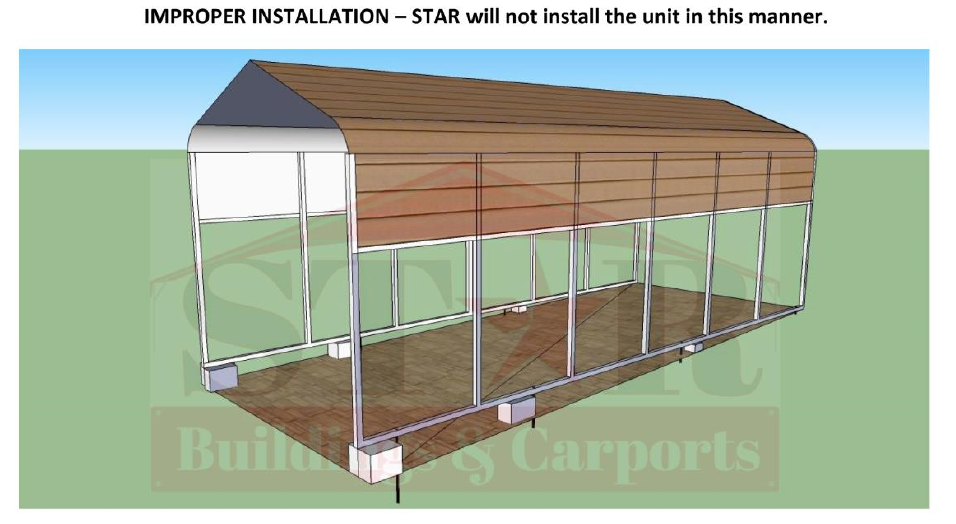
Site preparation is the customer’s responsibility, and the installation area must be within 3 inches of level to ensure proper installation. To help avoid delays or additional charges, site photos may be requested prior to ordering to verify surface conditions. Additional charges may apply if the site is not level or properly prepared and this was not identified before installation. A properly prepared site is the foundation of a great building.
Concrete
Concrete (cement) is a popular foundation option for our buildings. Concrete dimensions vary based on the size and type of structure, but a 4-inch slab with footers for the base rails is typically recommended. Footer size and layout are determined by the building’s dimensions and design. For enclosed buildings, a brick ledge is recommended to allow the metal wall panels to extend past the base rail, helping reduce water intrusion at the base. Niches and Door Aprons as needed.
Concrete anchors are included with the installation of your building and are typically drilled into the concrete, which is why properly designed footers are important for secure anchoring. Please note that water intrusion beneath the base rails is not the responsibility of the building manufacturer or installer.
Concrete preparation is the customer’s responsibility; however, we can recommend several local, experienced concrete contractors who are familiar with our buildings and can provide dependable service at competitive pricing.

Ground / Gravel
Ground and gravel are common installation surfaces for our buildings when properly prepared. Whether installing on native soil or well-compacted gravel, the surface must be within 3 inches of level to ensure proper anchoring, structural integrity, and a smooth installation.
Site preparation is the customer’s responsibility, including grading and compaction as needed prior to delivery. Anchoring methods vary by surface type and are selected to provide secure installation. To help avoid delays or additional charges, site photos may be requested prior to ordering to verify surface conditions. A level, well-prepared surface is essential for a successful installation.